
About NPEN
The National Parenting Education Network (NPEN) started in 1996 when a volunteer group of parenting practitioners came together informally to share their interest in supporting and strengthening the field of parenting education.
Vision and Mission |
|
|
|

Goals
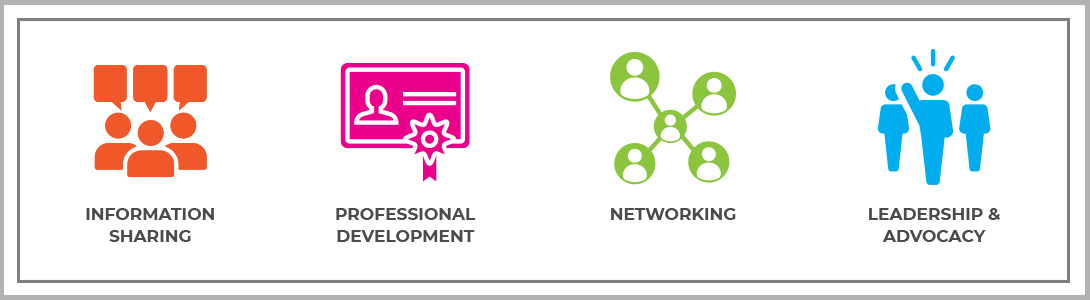
Information Sharing:
- To facilitate and encourage the sharing of and discussion about ideas, resources, practices and any other information relevant to parenting educators and
- To consolidate and/or make accessible research-based information and resources on parenting education.
Professional Development: To help parenting education practitioners build their skills and the profession by addressing issues that transcend disciplinary and regional boundaries such as professional identity, ethics, standards and certification, training and accessibility.
Networking: To facilitate contacts among practitioners and organizations involved in parenting education to increase their effectiveness in supporting parents and families.
Leadership: To provide national leadership in the field of parenting education among professionals, policy makers, media and the public.
Principles
Inclusiveness: NPEN embraces and seeks to draw upon the wide professional, regional, and ethnic diversity in the field, so as to enrich our collective work and model our values.
Universal access: NPEN advocates for parenting education resources to be made available, accessible, and affordable for all parents and parenting educators.
Embeddedness: NPEN recognizes that parenting education is embedded in a large number and variety of organizations and fields, all of which are important in advancing NPEN’s goals.
Support for existing organizations: NPEN supports and extends the significant work of existing organizations in the area of parenting education, complementing rather than duplicating their efforts.
Participatory approach: NPEN involves all those interested in the decision-making and developing of the organization.
Definitions
Parenting Education is a process that involves the expansion of insights, understanding and attitudes, and the acquisition of knowledge and skills about the development of both parents and of their children and the relationship between them.
Parents are those who are so defined legally and those who have made a long term commitment to a child to assume responsibility for that child’s well being and development. This responsibility includes providing for the child’s physiological and emotional needs, forming a loving emotional relationship, guiding the child’s understanding of the world and culture, and designing an appropriate environment.
NPEN Structure
NPEN’s structure is inclusive. All those who indicate interest and involvement in parenting education can participate in the organization and are encouraged to become members.
NPEN’s Board (15 to 25 members) is primarily responsible for carrying out the organization’s mission. The Executive Committee (the chair, past chair [optional], vice chair, secretary, treasurer, and two Board members-at-large) is responsible for membership activities and leadership of committee work.
NPEN Committees are responsible for furthering the mission of the organization.
NPEN advances the field of parenting education by catalyzing ideas and projects. This may be done in collaboration with other organizations, agencies, and companies.
NPEN utilizes a part-time administrative consultant to assist with organizational tasks, a part-time bookkeeper to assist with membership payment processing, and a part-time webmaster to host and manage web content.
